ChatGPT vs. Traditional Analysis: A Comparative Guide for Investors
PW
Introduction
In the rapidly evolving world of finance, investors are continuously seeking new tools and methodologies to enhance their decision-making processes. The advent of artificial intelligence, particularly models like ChatGPT, has introduced novel approaches to financial analysis. But how do these AI tools compare to traditional analysis methods? This guide delves into the strengths and weaknesses of both to help investors make informed choices.

Understanding ChatGPT
ChatGPT, developed by OpenAI, is a language model that leverages machine learning to process and generate human-like text based on the input it receives. By analyzing vast amounts of data, ChatGPT can provide insights, predictions, and even generate reports. Its ability to process natural language makes it a versatile tool for investors looking for quick and diverse perspectives.
Advantages of ChatGPT
There are several advantages to using ChatGPT for financial analysis:
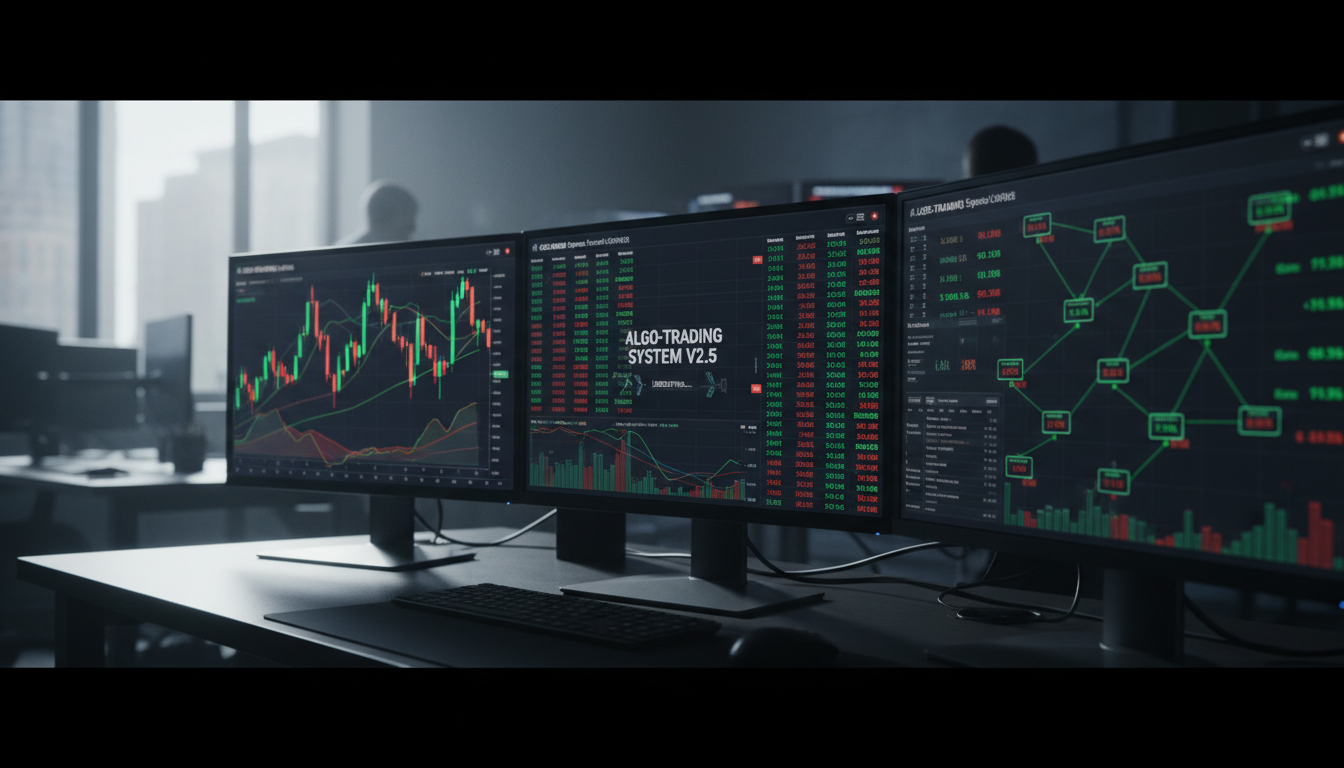
- Speed: ChatGPT can process large datasets quickly, offering insights in real-time.
- Diversity of Opinion: It can simulate multiple viewpoints, providing a broader perspective.
- Adaptability: The AI can be fine-tuned to specific industries or sectors, enhancing its relevance.
Traditional Analysis Methods
Traditional analysis in investing often involves fundamental and technical analysis, relying on historical data, financial statements, and market trends. Analysts use these methods to assess a company's financial health and predict future performance. These approaches have been the cornerstone of investment strategies for decades.
Strengths of Traditional Analysis
Despite the rise of AI, traditional analysis remains valuable due to:
- Proven Track Record: These methods have been tested and refined over many years.
- Human Insight: Experienced analysts can interpret data nuances that AI might overlook.
- Comprehensive Evaluation: It provides a detailed understanding of a company’s fundamentals.

Comparative Analysis
When comparing ChatGPT with traditional analysis, it's essential to consider the context and the specific needs of the investor. ChatGPT excels in processing and generating insights from vast amounts of data quickly, making it suitable for short-term analysis and trend identification. On the other hand, traditional methods are more suited for in-depth, long-term assessments.
Integration of Both Methods
Many investors find value in integrating both AI and traditional analysis. By combining the speed and adaptability of ChatGPT with the depth and reliability of traditional methods, investors can create a more balanced and informed strategy. This hybrid approach can mitigate risks and enhance decision-making efficiency.
Conclusion
As technology continues to advance, the investment landscape will likely see increased collaboration between AI tools like ChatGPT and traditional analysis methods. Investors who can effectively leverage both will be better positioned to navigate the complexities of modern markets. Ultimately, understanding the strengths and limitations of each approach is key to optimizing investment strategies.